GOVERNMENT TOOLS
business
CONSULTING
NATIONAL FORECAST PROGRAM
South Australia - South East
The population and housing forecast for the South Australia - South East region
Published: December 2025
Version: 5.2.1
Read forecast analysis and insights for the South Australia - South East region from Australia's largest independent population forecasting team.
PREMIUM SERVICES
Detailed forecasts are available for this region
Our premium services give you detailed forecast information for this region to help you invest in the right place, at the right time.
- Forecasts by age and sex
- Single-year forecast periods
- Custom local area geography
- Forecasts of housing and development

ABOUT
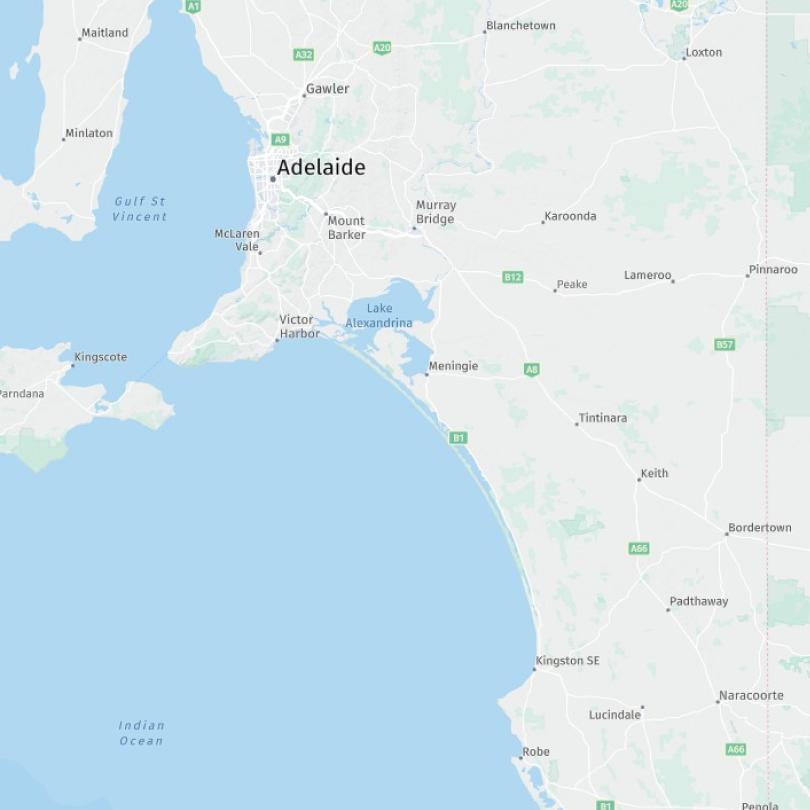
About the South Australia - South East Region
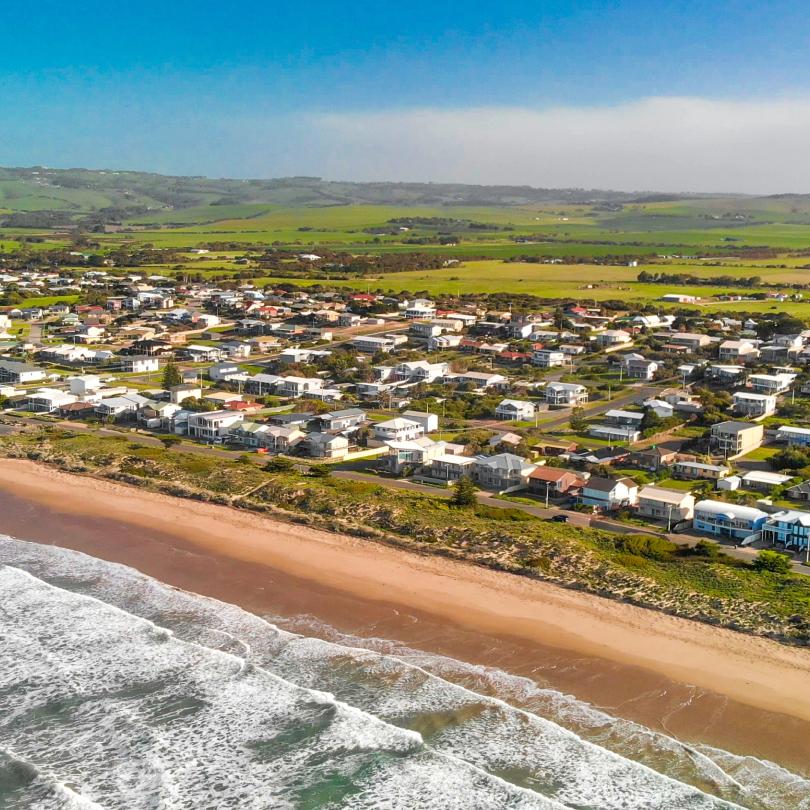
This region stretches eastwards and southeast of the Adelaide Metropolitan area to the Victorian border. It encompasses the non-metropolitan portion of the Fleurieu and follows the coast south along the Coorong to and Limestone coast to the Green Triangle, as well as the Riverland region of the state. The region fully encompasses the Mount Gambier, Grant, Robe, Naracoorte Lucindale, Wattle Range, Kingston (SA), Tatiara, Coorong, Southern Mallee, Yankalilla, Victor Harbor, Alexandrina, Murray Bridge, Karoonda East Murray, Loxton Waikerie, Mid Murray, Berri Barmera and Renmark Paringa LGAs, as well as containing parts of Unincorporated SA.
The region is widely varied. The Fleurieu peninsula operates as an extension of Adelaide with agricultural and tourism activities, as well as a strong retirement community. The Riverland communities are characterised by their relationship with the River Murray and intensive irrigated agriculture. Murray Bridge is one of the most significant communities in South Australia outside of Adelaide and has significant growth opportunities, stemming from its location on the Murray, relative proximity to Adelaide and food processing industries.
The South East is a predominantly agricultural area with wine, forestry and fishing industries, as well as the City of Mount Gambier, the second most populous significant urban area in South Australia .
Population growth is expected to be concentrated in the major townships with the smaller settlements and rural areas largely holding a steady population.
Map image: via Google Map Data
key findings
South Eastern Region
Major growth hotspots are forecast to be Murray Bridge, Encounter Coast (Victor Harbor - Goolwa), Mount Gambier.
There is limited evidence of densification to come as there is plenty of greenfield land to service any housing need. Most growth is expected to be incremental around the edges of established areas, or by way of infill. The Gifford Hill development, south of the South Eastern freeway and adjacent to Murray Bridge is the exception to this, a proposed master planned community of ~17,000 dwellings.
Minimal population is expected to be added to most of the SA2s within this region apart from the hotspots of growth mentioned previously. This is a function of heavy reliance on the employment industry of agriculture, forestry and fishing (which tends to fluctuate in employment prospects). Importantly, SA2s within this region have an older age profile than comparable others in the state, being home to a higher share of population over 65 years old. The role of natural increase in supporting some population growth in this SA4 has notably diminished over the past decade and is expected to continue towards a natural decline as the population continues ageing.
What share of Australia's growth will occur in South Australia?
Read our forecast results and analysis for Western Australia to learn more about how the different drivers of population change affect the distribution of growth throughout the state.
The population forecast for South Australia
Access
How to access the National Forecasting Program
Our National Forecasting Program is the backbone of all of our forecasting products and services for government and business.

Government Toolkit
Our Government Toolkit gives users access to the proprietary datasets maintained by .id through a suite of intuitive online tools.
See the National Forecasting Program in action in our Population Forecast online tool, or get in touch.
Demand Analytics Data and Services
id’s Demand Analytics Data and Services are underpinned by our unique datasets, accessed via in-house feed or online platform. Development insights are available in spatial visualisation tools or as a flat data file.
Consulting Services
Got a bespoke project? Tap into our datasets via our tailored consulting services for local government and business. Get in touch to discuss your needs.
Government Toolkit
Our Government Toolkit gives users access to the proprietary datasets maintained by .id through a suite of intuitive online tools.
See the National Forecasting Program in action in our Population Forecast online tool, or get in touch.

Government Toolkit
Our Government Toolkit gives users access to the proprietary datasets maintained by .id through a suite of intuitive online tools.
See the National Forecasting Program in action in our Population Forecast online tool, or get in touch.

The team
Our forecasting team
Prepared and presented by experts from Australia's largest independent population forecasting team.

Johnny Barnard
Forecaster

Liza Ivanova
Forecaster

Richard Thornton
Product Manager Forecast

Chris Jones
Forecaster

Oliver Bowering
Forecaster
Forecast results
The following forecast information presents the numbers for the South Australia - South East region.
Learn more about the different options to access these forecasts for Local Government Areas (LGAs), suburbs, custom catchments or the entire state or nation here.
| 2021 | 2026 | 2031 | 2036 | 2041 | 2046 | |
|---|---|---|---|---|---|---|
| Forecast Population | 198,222 | 207,606 | 214,693 | 221,071 | 225,563 | 229,274 |
| Change (five year) | - | 9384 | 7088 | 6,378 | 4,492 | 3,711 |
| Average Annual Change (%) | - | 0.9% | 0.7% | 0.6% | 0.4% | 0.3% |
| Forecast Dwellings | 105,431 | 110,544 | 115,009 | 119,310 | 123,690 | 128,121 |
| Change (five year | - | 5,113 | 4,464 | 4,302 | 4,379 | 4,431 |
| Average Annual Change (%) | - | 1.00% | 0.8% | 0.7% | 0.70% | 0.7% |
GET IN TOUCH
Purchase data for your area
From one-off reports to data partnerships, we can help you plan and invest with confidence.
.id offers:
- Detailed forecast data for a suburb, region or an entire state
- Forecast reports for a known location
- Reports to identify growth hotspots
- Partners program for consultants and frequent users
Let our team help you find the right option for you.