GOVERNMENT TOOLS
CONSULTING
National Forecast Program
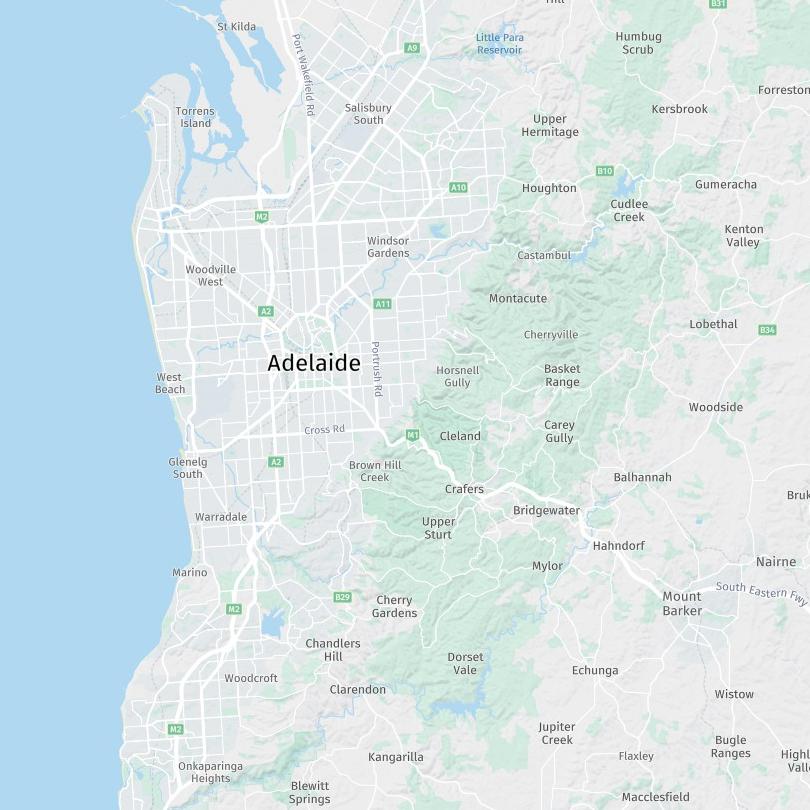
Adelaide - Central and Hills
Adelaide - Central and Hills SA4
Published: January 2026
Version 5.2.2
Read forecast analysis and insights for the Central and Hills region from Australia's largest independent population forecasting team.
PREMIUM SERVICES
Detailed forecasts are available for this region
Our premium services give you detailed forecast information for this region to help you invest in the right place, at the right time.
- Forecasts by age and sex
- Single-year forecast periods
- Custom local area geography
- Forecasts of housing and development

ABOUT
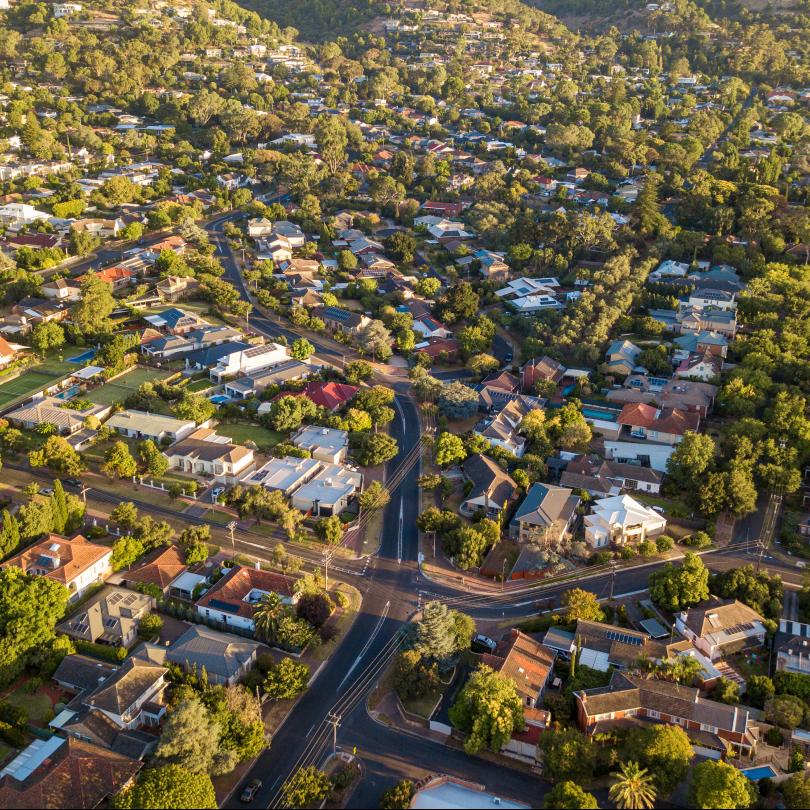
About the Central and Hills Region
South Australia is forecast to add 510, 000 people by 2046. The Adelaide Central and Hills region contributes around 19% of this growth, reflecting its role as the main area of high-rise living and having one of the largest greenfield developments in the State.
- The Region contains Adelaide City Council (The ‘square mile’ and North Adelaide) as well as inner southern, eastern and northern council areas (Burnside, Norwood Payneham and St Peters, Campbelltown, Walkerville, Prospect and Unley) and stretching out to the Adelaide Hills (Adelaide Hills and Mount Barker District council).
- Adelaide is the capital of South Australia and the Adelaide SA2 contains the central business district, is the seat of state government administration and has the highest concentration of civic buildings. It also has the main campuses of the newly merged Adelaide University and has a large student population.
- Densification is primarily concentrated in the inner suburbs of Adelaide, with state significant infill potential following the major arterial roads into the city (e.g. Churchill Road; Magill Road; Payneham Road).
- The Adelade Hills are relatively sparsely populated rural or semi-rural areas with little growth due to planning restrictions and topography; however Mt Barker is a significant greenfield growth area, expanding from the original historical settlement.
Key Findings
Access
How to access the National Forecasting Program
Our National Forecasting Program is the backbone of all of our forecasting products and services for government and business.

Government Toolkit
Our Government Toolkit gives users access to the proprietary datasets maintained by .id through a suite of intuitive online tools.
See the National Forecasting Program in action in our Population Forecast online tool, or get in touch.
Demand Analytics Data and Services
Consulting Services
Government Toolkit
Our Government Toolkit gives users access to the proprietary datasets maintained by .id through a suite of intuitive online tools.
See the National Forecasting Program in action in our Population Forecast online tool, or get in touch.

Government Toolkit
Our Government Toolkit gives users access to the proprietary datasets maintained by .id through a suite of intuitive online tools.
See the National Forecasting Program in action in our Population Forecast online tool, or get in touch.

Forecast results
The following forecast information presents the numbers for Adelaide - Central and Hills.
Learn more about the different options to access these forecasts for Local Government Areas (LGAs), suburbs, custom catchments or the entire state or nation here.
| 2021 | 2026 | 2031 | 2036 | 2041 | 2046 | |
|---|---|---|---|---|---|---|
| Forecast Population | 315,729 | 340,442 | 355,098 | 367,070 | 375,422 | 380,946 |
| Change (five year) | - | 24,713 | 14,656 | 11,972 | 8,352 | 5,524 |
| Average Annual Change (%) | - | 1.52% | 0.85% | 0.67% | 0.45% | 0.29% |
| Forecast Dwellings | 138,332 | 146,834 | 154,993 | 162,200 | 168,945 | 175,090 |
| Change (five year | - | 8,159 | 8,159 | 7,207 | 6,745 | 6,145 |
| Average Annual Change (%) | - | 1.2% | 1.09% | 0.91% | 0.82% | 0.72% |
The team
Our forecasting team
Prepared and presented by experts from Australia's largest independent population forecasting team.

Johnny Barnard
Principal Consultant

Liza Ivanova
Principal Forecast Consultant

Richard Thornton
Head of Forecasting

Chris Jones
Forecaster

Oliver Bowering
Senior Forecast Consultant
GET IN TOUCH
Purchase data for your area
From one-off reports to data partnerships, we can help you plan and invest with confidence.
.id offers:
- Detailed forecast data for a suburb, region or an entire state
- Forecast reports for a known location
- Reports to identify growth hotspots
- Partners program for consultants and frequent users
Let our team help you find the right option for you.